Need polyaspartic floor coating in Calabasas?
Request a callback to check provider availability, or send an estimate request and describe your floor. There is no obligation.
No obligation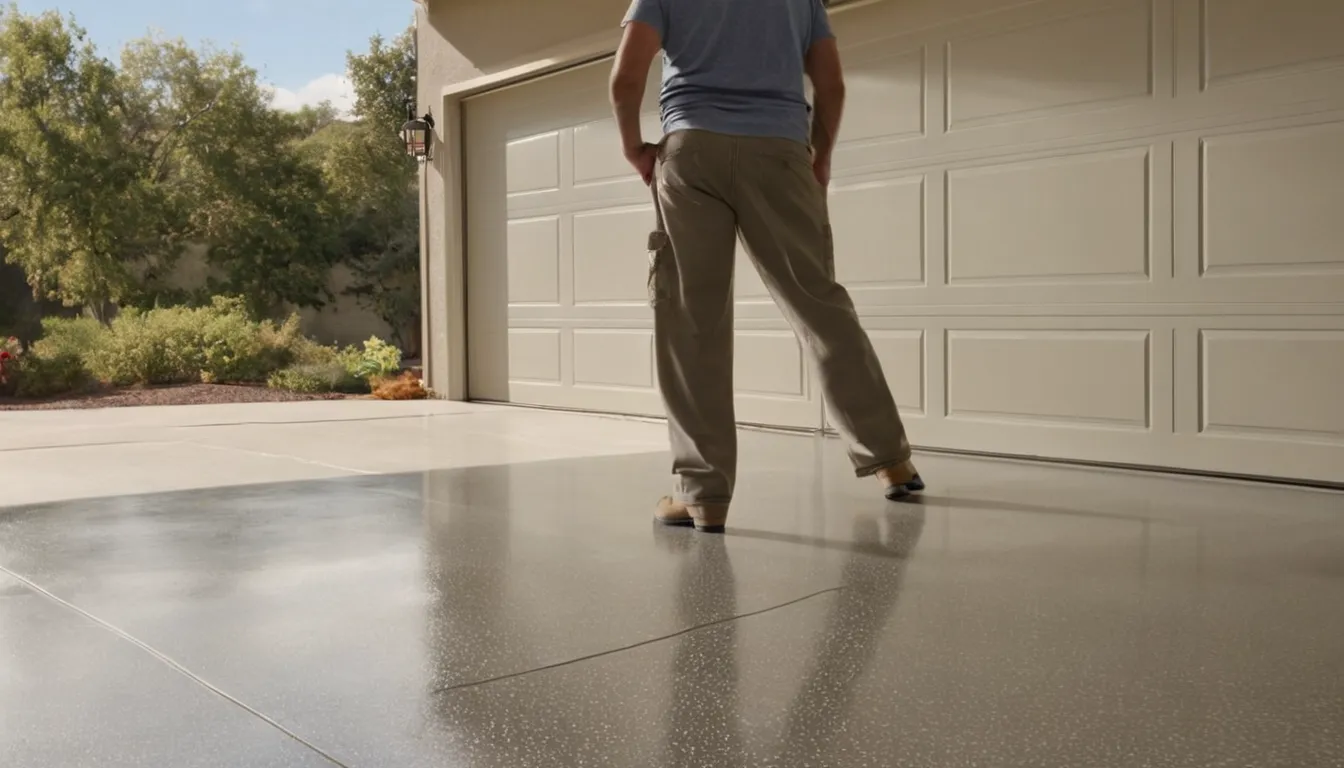
Polyaspartic is a fast-curing coating for concrete. Providers in our network use it on garage floors, patios, workshops and basements. It sets up quicker than most coatings, so many jobs wrap up in a day or two. The cured surface stands up to oil, tire marks, scuffs and sun fading, which helps in a bright garage.
This page walks you through what happens to your slab hour by hour and day by day. You will see what you can check yourself, like testing for moisture and clearing the space, and where to stop and hand the job to a local provider. A good coat is only as good as the prep under it. Request an estimate to compare options with no obligation.
Most people land here because they want a coated floor without losing the garage for a week. Polyaspartic cures much faster than many other coatings. That speed is its main selling point.
Many providers can finish a typical garage in one to two days. The exact schedule depends on your slab, the product and the weather. Here is how the clock usually runs.
The provider grinds the slab with a diamond grinder. This opens the pores of the concrete so the coating can grip. Cracks get filled and dust gets vacuumed. Prep decides everything, so this is the step nobody should rush.
Next comes a base coat. Some systems use a thin polyaspartic base. Others use an epoxy base. If you picked a flake finish, the installer scatters flakes into the wet base by hand.
The clear polyaspartic layer goes on last. It has a short working time, so installers move in sections and roll fast. You may see them wearing spiked shoes so they can walk on wet coating.
Foot traffic may be fine after a day. Car tires usually wait longer. Ask the provider for exact times, because temperature and product both change them.
Bare concrete is not harmless while you wait. Oil soaks in a little more each week. Winter rain can push moisture through the slab. Cracks can widen after each wet and dry cycle. The longer a stain sits, the deeper it goes, and deep stains are harder to grind out.
You can do a simple check this weekend.
Moisture does not always rule out a coating, but the provider needs to know. Know when to stop: if you see wet spots, deep cracks or flaking old paint, hand it off.
Epoxy is thick, strong and slower to cure. Polyaspartic is thinner, cures quickly and holds its color in sunlight. Epoxy can yellow when sun hits it. Polyaspartic stays clearer. If you want a full look at epoxy garage floors, the main page covers that in detail.
A full system uses polyaspartic in every layer. A hybrid uses epoxy underneath and a polyaspartic topcoat. Hybrids can cost less and still give you a tough, UV-stable finish. Full systems cure fastest. A provider can explain which fits your slab.
Garage floors are the common job. Many homeowners also coat workshops, laundry rooms, patios and covered porches. It suits concrete coating in sunny spots, since it resists fading. Some providers also handle other flooring work, like hardwood flooring installation indoors, so ask if you have more than one project.
Long dry seasons help, since cool, dry mornings give the slab time to settle. Winter rain can slow things down, because wet concrete does not take coating well. Heat speeds the cure, which gives installers less time to work. Wildfire smoke seasons bring dust and ash, so a closed garage door matters. Mild coastal days are often easy to work in.
Gray and tan blends hide dirt and tire marks well. Dark floors show dust. Light floors brighten a dim garage. Ask to see a sample board in your own light. Many providers offer custom floor finishes, like blended flakes or metallic accents, so bring photos of looks you like.
Keep it simple. Sweep weekly. Mop with mild soap and water. Wipe up oil and salt when you see them. Skip harsh solvents and abrasive pads. Put a mat under a parked car if you want extra protection against hot tires.
You can clear the garage, sweep, degrease and test for moisture. Leave grinding, crack repair and mixing to a provider. The products set fast, and mistakes are hard to undo.
Request a callback to check provider availability in your area.
Providers open the concrete surface so the coating grips and lasts.
Cracks and joints get filled and leveled before any coating goes down.
A base coat is applied, with decorative flake blends scattered in if you choose them.
A fast-curing polyaspartic layer seals the floor against stains, scuffs and sun.
Prices vary by slab size, condition and system type. These are typical U.S. ranges, not quotes. Moisture, cracks and old coatings can change the total, so always get a written, itemized quote.
| Item | Typical range | Notes |
|---|---|---|
| Two-car garage, full polyaspartic | $2,500 – $5,500 | Roughly 400 to 500 sq ft |
| Hybrid epoxy base with polyaspartic top | $2,000 – $4,500 | Often lower than a full system |
| Installed price per square foot | $5 – $12 | Varies by region and product |
| Crack and joint repair | $150 – $800 | Depends on how many and how wide |
| Moisture or heavy grinding extras | $200 – $900 | Needed for old paint or damp slabs |
| Flake or metallic upgrade | $1 – $3 per sq ft | Added to the base price |
Tape down plastic, check for moisture and note stains and cracks before you reach out.
Empty the garage, sweep up dust and move tools so the provider can start.
Share photos and size so a provider can quote the job in writing.
The provider grinds, repairs, coats and tells you when to walk and park.
Each provider in our network runs their own business and sets their own schedule and pricing.
Get the timeline and steps in simple terms before you talk to anyone.
Request an estimate and compare. You decide whether to move forward.
Learn what you can safely check yourself and when to hand off.
Request a callback to check provider availability, or send an estimate request and describe your floor. There is no obligation.
No obligationRequest a callback to check provider availability, or send an estimate request and describe your floor. There is no obligation.
No obligation