Need epoxy garage floors in Calabasas?
Request a callback to check provider availability, or send an estimate request and describe your floor. There is no obligation.
No obligation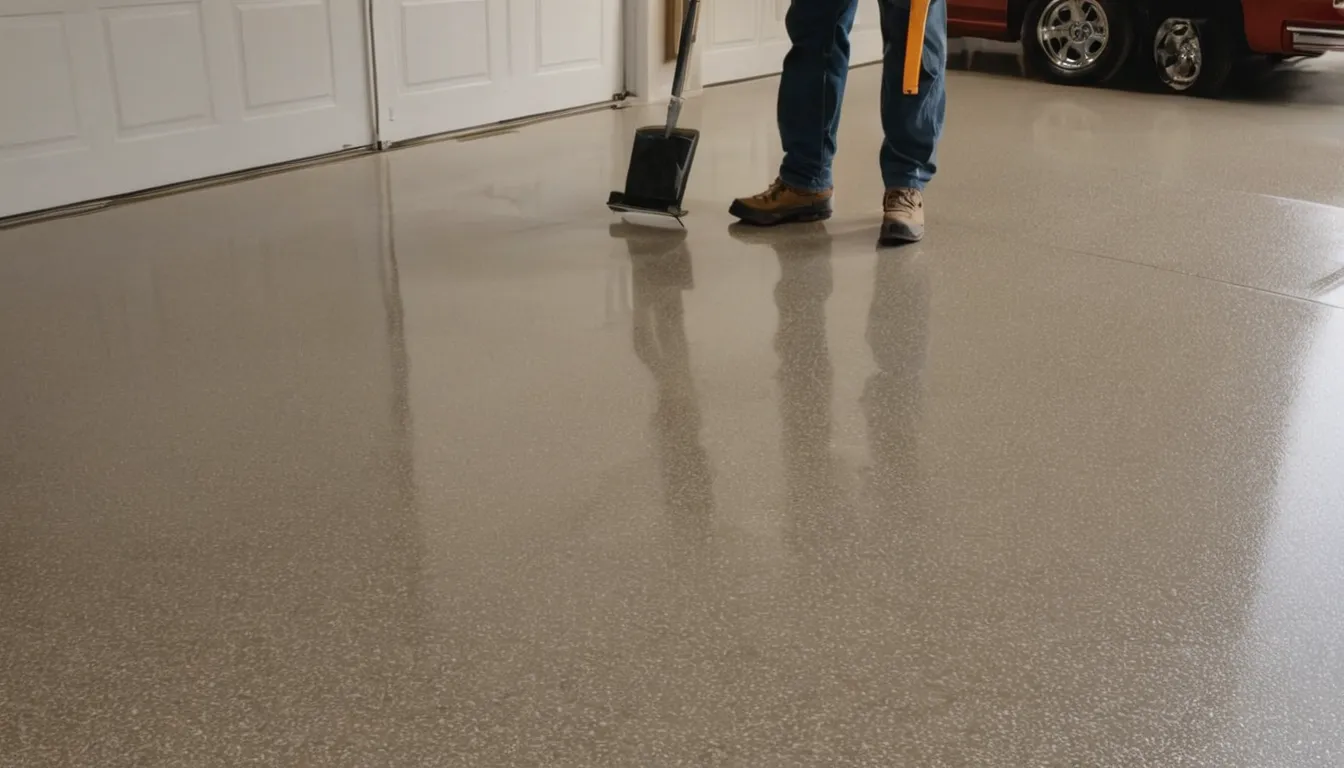
A bare garage slab is never really still. It soaks up oil, picks up dust in the dry months, and holds winter rain tracked in on tires. Epoxy garage floors seal that porous surface so it stops changing. The coating also makes spills easy to wipe and brightens a dim garage.
Imaginehas Floor Coating is a referral service. We do not coat floors. We explain what happens to a slab over hours, days and seasons, then connect you with independent providers in our network. You will learn what to check yourself, what to leave alone, and when to ask for a written estimate. There is no obligation to hire anyone.
A bare garage slab is full of tiny pores. It drinks oil, soaks up rain from your tires, and sheds fine dust all dry season. Epoxy garage floors seal that surface so it stops changing. This page follows the timeline, from your first look to the first year.
Grab a flashlight and a notepad. Walk the slab slowly. Mark oil spots, white powder, flaking paint and cracks. Take photos, and set a coin next to each crack for scale. Do not grind, acid wash or pour anything yet. Those photos help a provider quote the job, and they show you later if a crack is growing.
Tape a one-foot square of clear plastic to bare concrete. Seal every edge. Leave it for a day. Fog under the plastic, or a dark patch on the concrete, means moisture is rising through the slab. Many 1950s to 1980s tract homes were poured without a modern vapor barrier, so this test matters. Coating over damp concrete leads to bubbles and peeling.
Try a quick water drop test too. If water beads up, there is sealer or oil on top. If it soaks in within a few minutes, the surface is open and ready to bond.
Here is the part you can safely do yourself. Clear the garage. Sweep, then vacuum. Scrub oil stains with a degreaser and a stiff brush. Rinse, then let the slab dry fully. Fill hairline cracks with a patch made for concrete. Wear gloves and eye protection, and open the door for airflow. During smoke season, ash settles on everything, so wipe walls and shelves too.
Epoxy is only as strong as its grip. The grip comes from a clean, rough, dry surface. Providers usually diamond-grind the slab to open the pores and remove old sealer. Acid etching and rental tools often leave uneven results. Skipped prep is why many kit floors lift under hot tires within a season.
Hand the job off when you see any of these:
These need repair or moisture treatment first. A provider has the grinders, meters and patch materials for that work.
Not every epoxy garage floor is built the same. Ask which system is in your quote.
Schedules vary, but many jobs follow a pattern. On day one, the provider grinds the slab, vacuums the dust and fills cracks. On day two, the base coat goes down, and flakes may be broadcast into it. On day three, loose flakes are scraped and swept up, and the clear topcoat is rolled on. Expect fumes and some noise, so plan to stay out of the garage.
Epoxy can yellow in strong sun. If your garage door faces the afternoon glare, the area near the opening takes the most UV. A clear topcoat adds scratch protection and helps with fading. Ask the provider which topcoat they plan to use and how it handles sunlight.
A clear garage saves time and keeps your things safe. Before the crew day, do this:
Check the forecast too. Damp winter air can slow curing.
Light foot traffic is often fine after a day. Cars usually wait longer, anywhere from a couple of days to a week, depending on the product. Ask for exact times in writing. Do not drag boxes, drop tools or park a hot tire on a soft floor. Skip rugs and mats until the provider says the coating is ready.
Sweep weekly. Mop with a mild cleaner and skip harsh solvents. Wipe oil and brake fluid when you spot them. Rinse off winter grit. Put pads under jack stands and bike stands so they do not scratch the finish. A small habit now keeps the floor looking good for years.
Bring a short list to your estimate. Good questions include:
Some providers also handle hardwood flooring installation or other interior floors, so mention any other rooms you are planning.
A provider looks over cracks, stains and old coatings before any quote is written.
The surface is ground to open the pores so the coating can grip the concrete.
Chips, cracks and low spots are filled and leveled before the base coat goes down.
Choose flakes, solid color or metallic, then a clear topcoat for wear and sun.
Prices change with garage size, slab condition and the system you pick. These are typical U.S. ranges, not quotes. Providers in our network can give you a written estimate after they see the floor.
| Item | Typical range | Notes |
|---|---|---|
| One-car garage, basic epoxy | $1,200 – $2,500 | Smaller slab, light prep, simple coat |
| Two-car garage, flake system | $2,000 – $4,500 | Most common choice for daily use |
| Metallic or custom finish | $3,500 – $7,000 | Extra labor and pigment raise the price |
| Crack and joint repair | $200 – $1,000 | Depends on crack length and depth |
| Moisture treatment | $300 – $1,500 | Needed if the slab fails the moisture test |
| Clear UV-stable topcoat | $300 – $1,200 | Often part of the system; confirm it is listed |
Do the plastic sheet and water drop checks, take photos and note any cracks or stains.
Request a callback to check provider availability, or send the request form with your photos.
Ask each provider to list the prep, system, topcoat and cure times.
Pick a date, empty the space, plan parking, and let the provider handle grinding and coating.
Learn what each step does and why it takes time, in simple words without jargon.
Providers in our network run their own jobs, so you deal with them directly.
See what happens hour by hour so you can act before a small flaw grows.
Request an estimate, compare it to others, and decide on your own schedule.
Request a callback to check provider availability, or send an estimate request and describe your floor. There is no obligation.
No obligationRequest a callback to check provider availability, or send an estimate request and describe your floor. There is no obligation.
No obligation